
“Christmas is cancelled!” That’s what you’d hear in 1647, when the English Parliament officially banned the holiday.
Why? Because the Puritans saw Christmas as a pagan festival that represented the worst of the old Church.
So, every decoration and celebration was strictly forbidden. In London, the army even patrolled the streets to make sure no one was secretly celebrating.
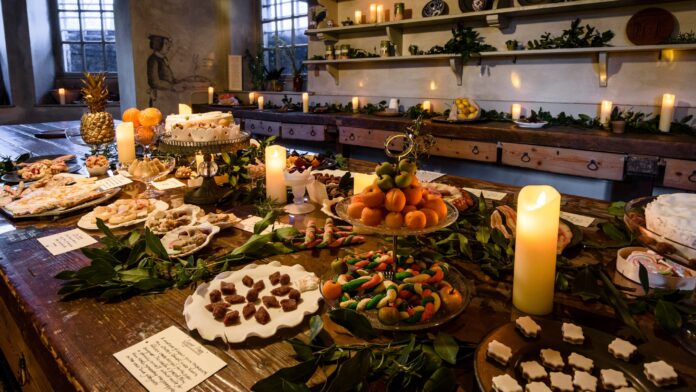
But wait—was it actually illegal to eat mince pies? In short: yes, but only in 1644. It wasn’t the pie itself that was the problem, but the date.
December 25th fell on a mandated fast day, making any feasting a crime. While not banned by name, they were disapproved as a symbol of Christmas excess.
But the people didn’t take this lightly. Many defied the ordinance and kept the party going in secret. In several towns, this led to violent riots.
The case of Norwich was shocking. The citizens locked the city gates to protect their Mayor, who had tolerated the celebrations there. During the struggle with government forces, the city’s ammunition magazine exploded, claiming 40 lives.
The outrage was so intense that it became a key factor in sparking the Second English Civil War. The ban lasted for 13 years, until King Charles II took the throne and reversed all anti-Christmas laws.
Finally saving Christmas in England!
References
· RTE Brainstorm: “The year Christmas was cancelled in Ireland and Britain” (Dr. Coleman A. Dennehy, 2024).
· IALS Digital: “25 December 1647: Christmas was cancelled” (Institute of Advanced Legal Studies).
· National Geographic: “When Christmas was banned: The Puritan war on the holiday” (N.G. History).